OBD2 Freeze Frame Data: The Snapshot You Already Have
Your car saved a snapshot of what it was doing the moment it flagged a fault. Most people clear it without ever looking. Here is how to read it first.
Your car saved a snapshot of what it was doing the moment it flagged a fault. Most people clear it without ever looking. Here is how to read it first.
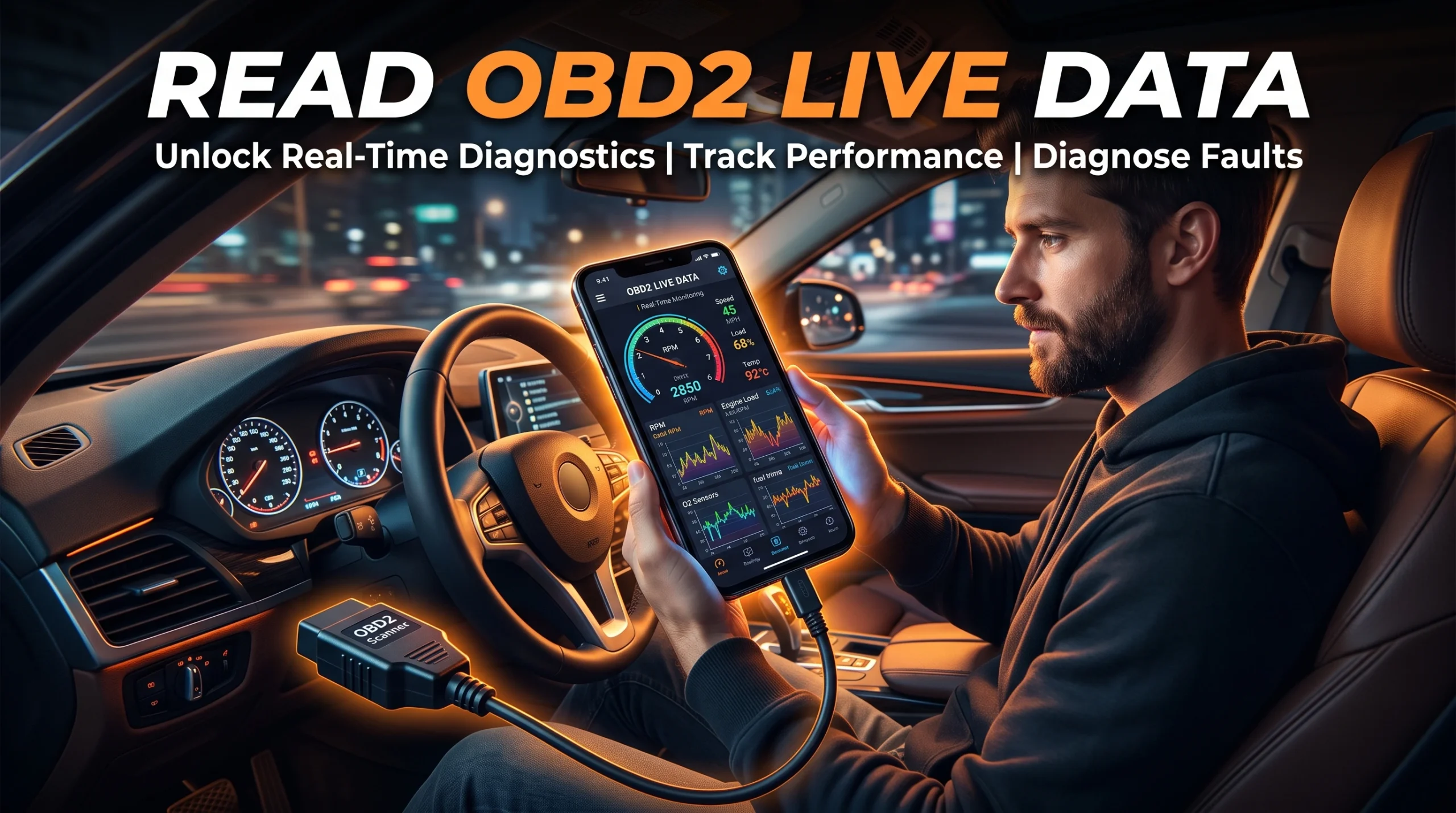
A live data screen throws fifty numbers at you at once. Here are the ten worth watching, what each one is actually for, and how to set the screen up.
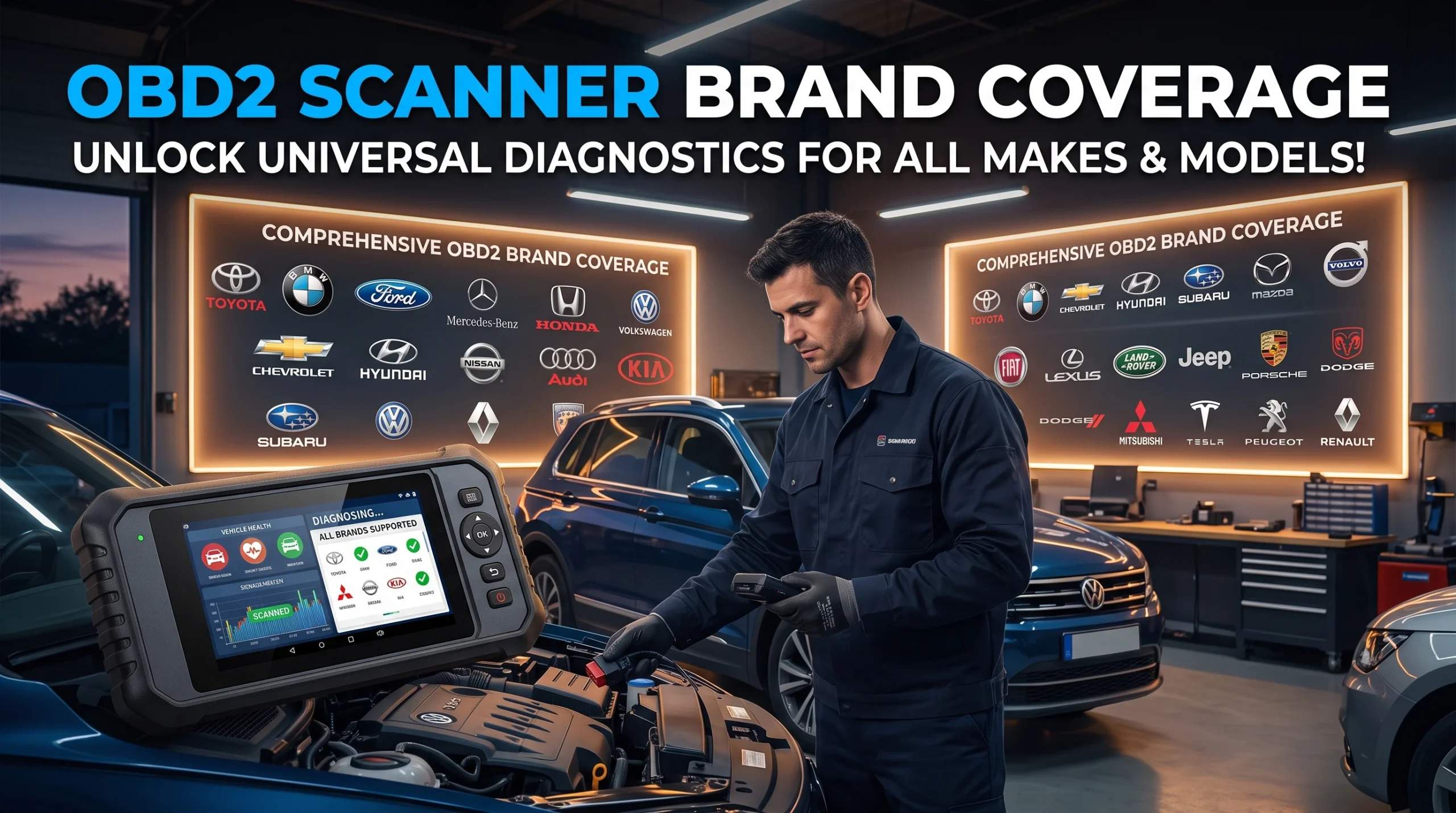
A scanner can read every car ever built and still tell you nothing useful about yours. Here is what OBD2 actually standardizes, and where brand coverage starts.
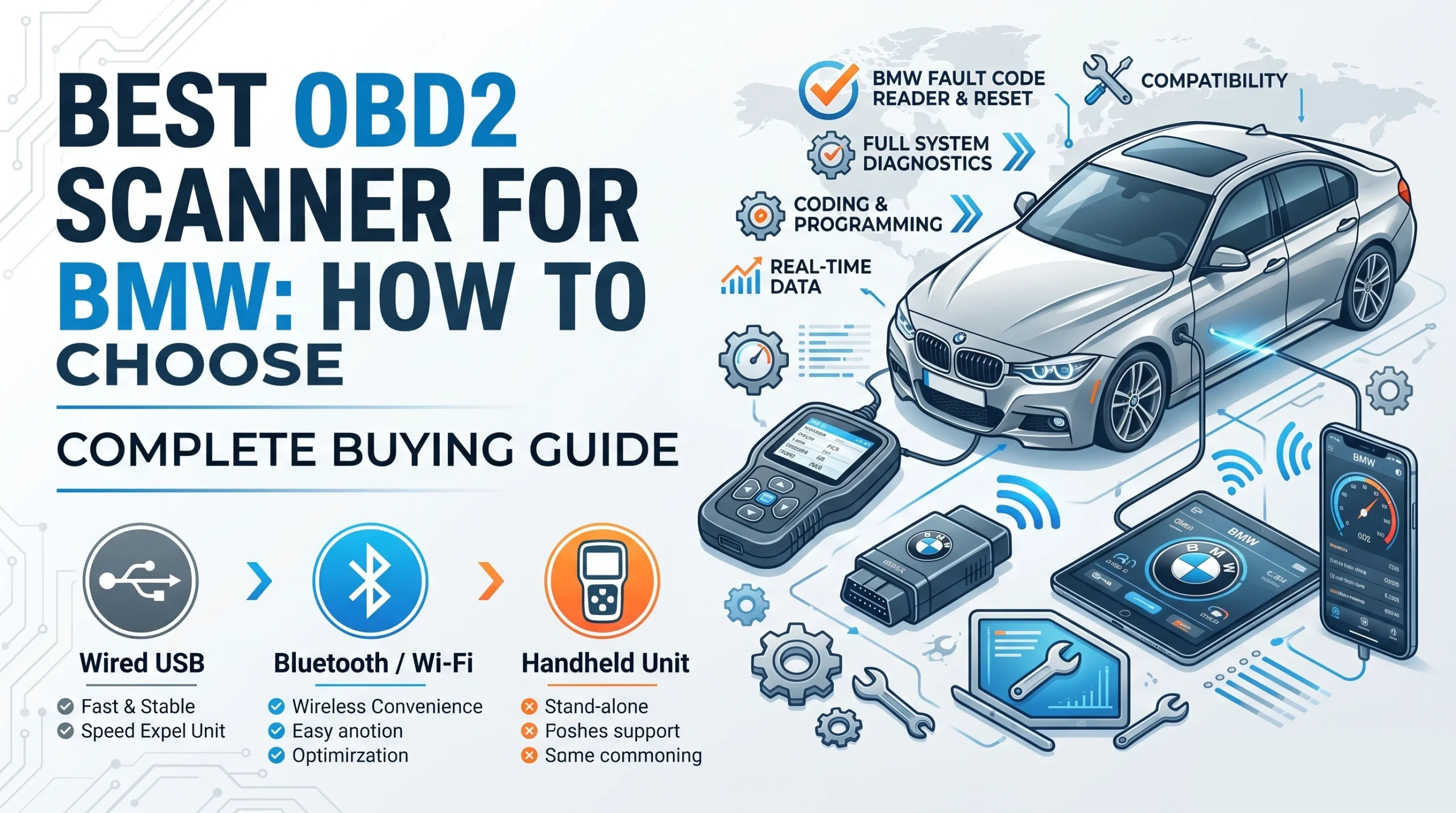
A cheap code reader only sees a BMW’s engine. Learn which OBD2 scanner features actually reach ABS, airbag, and battery registration on a BMW.
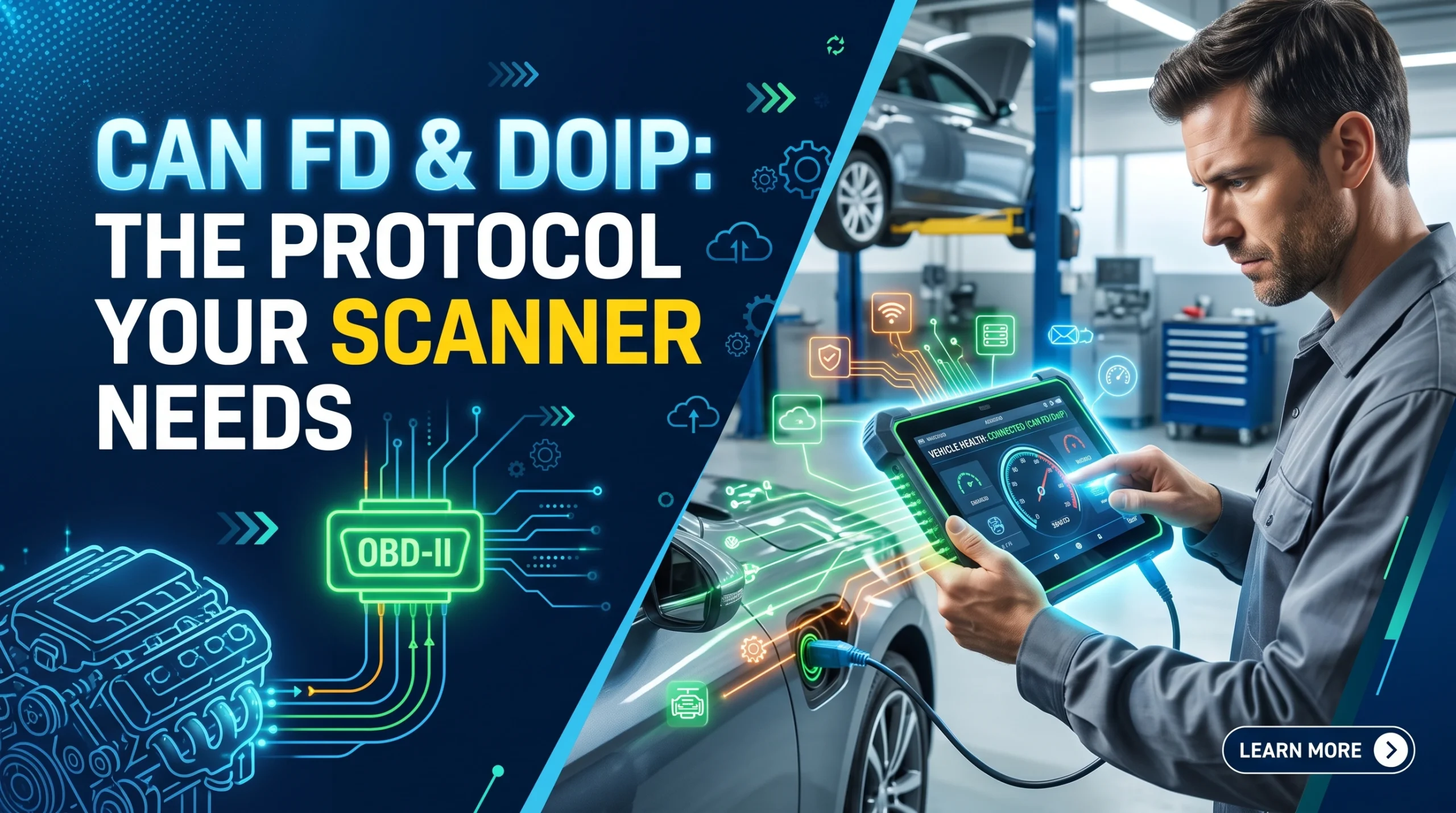
Some newer cars use CAN FD and DoIP instead of classic CAN. A scanner without native support can plug in and still return nothing useful. Here’s why.
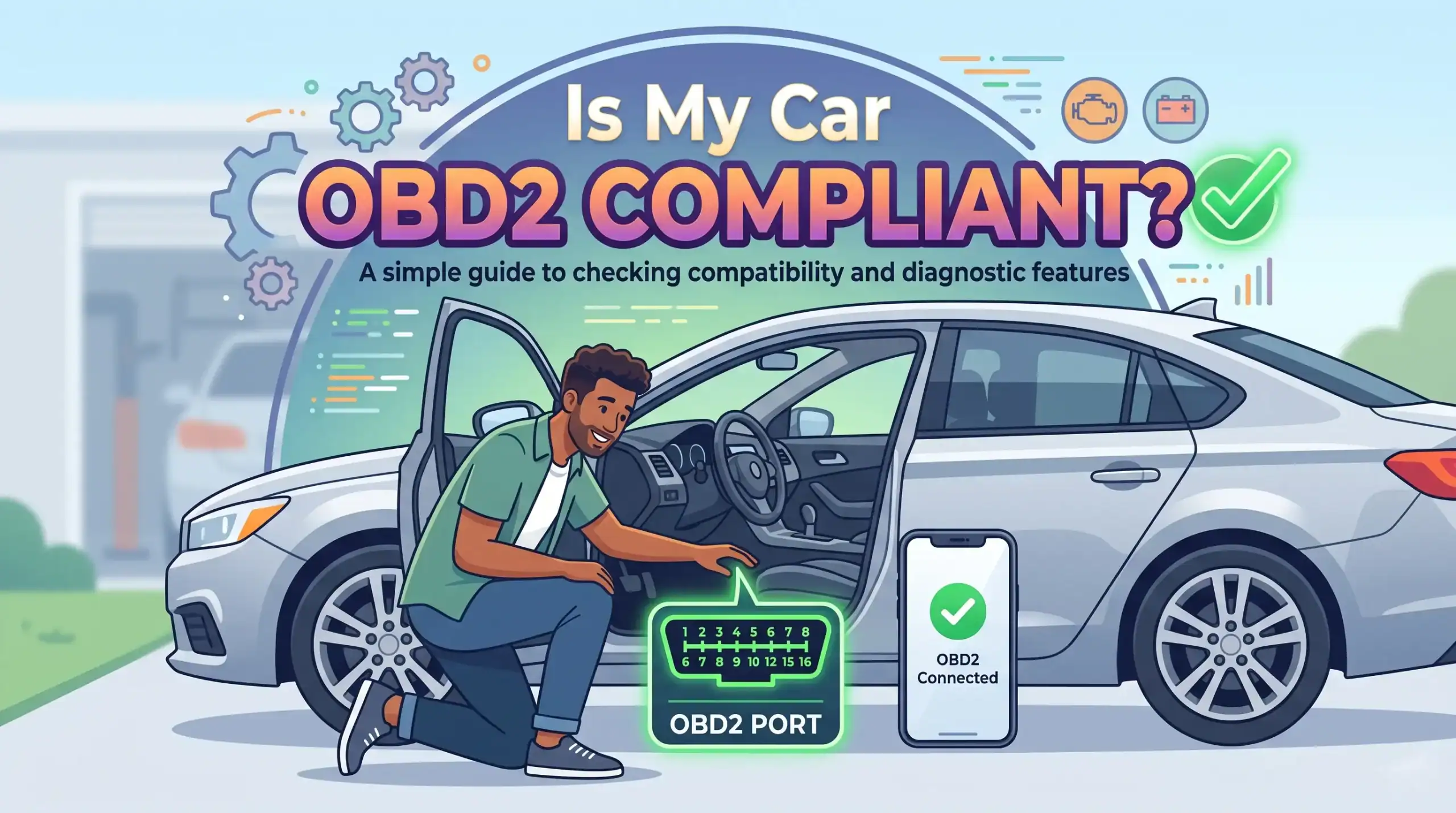
OBD2 compliance depends on your model year and fuel type, not just your car’s age. Here’s exactly which years are covered and how to confirm yours.
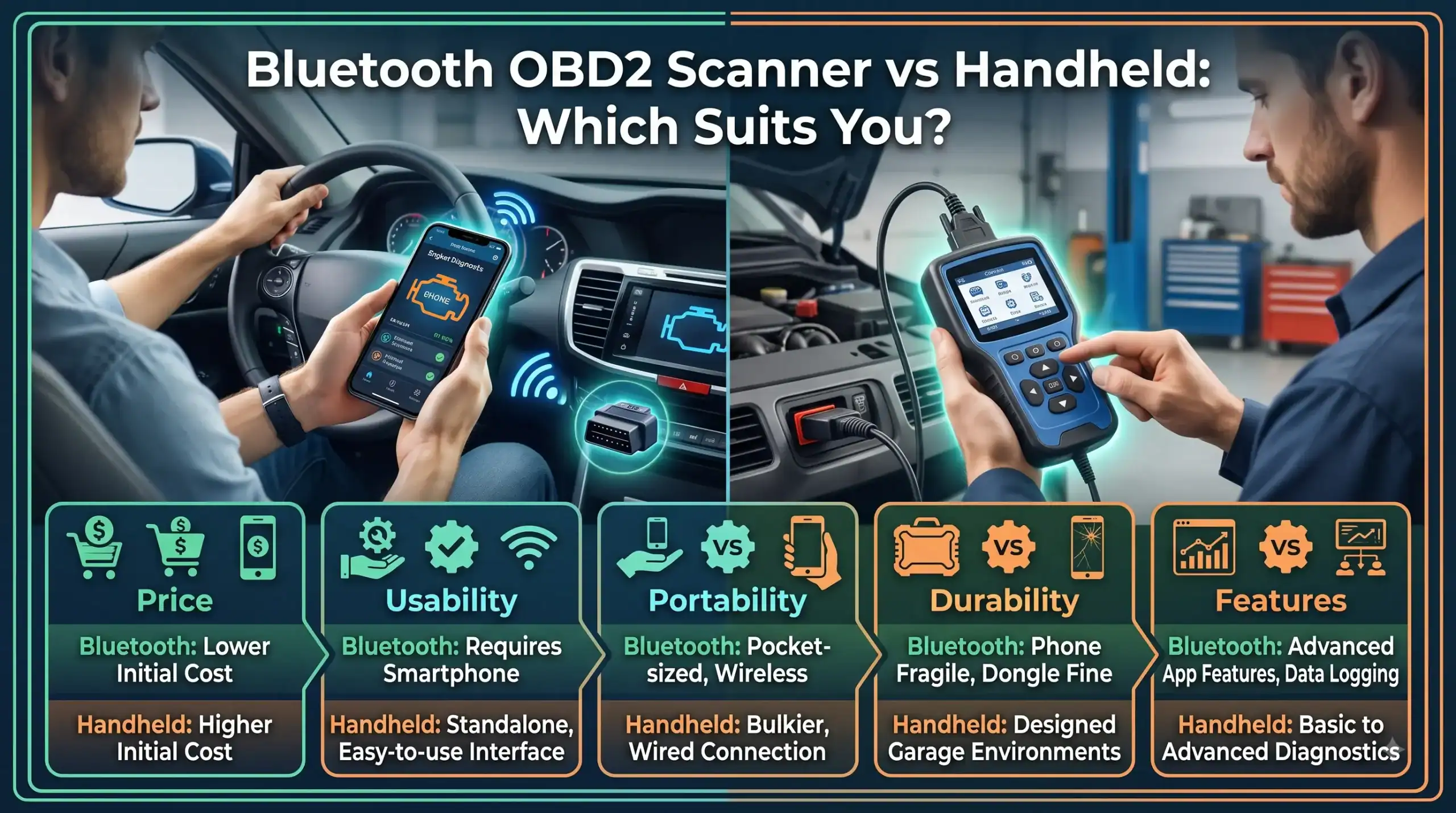
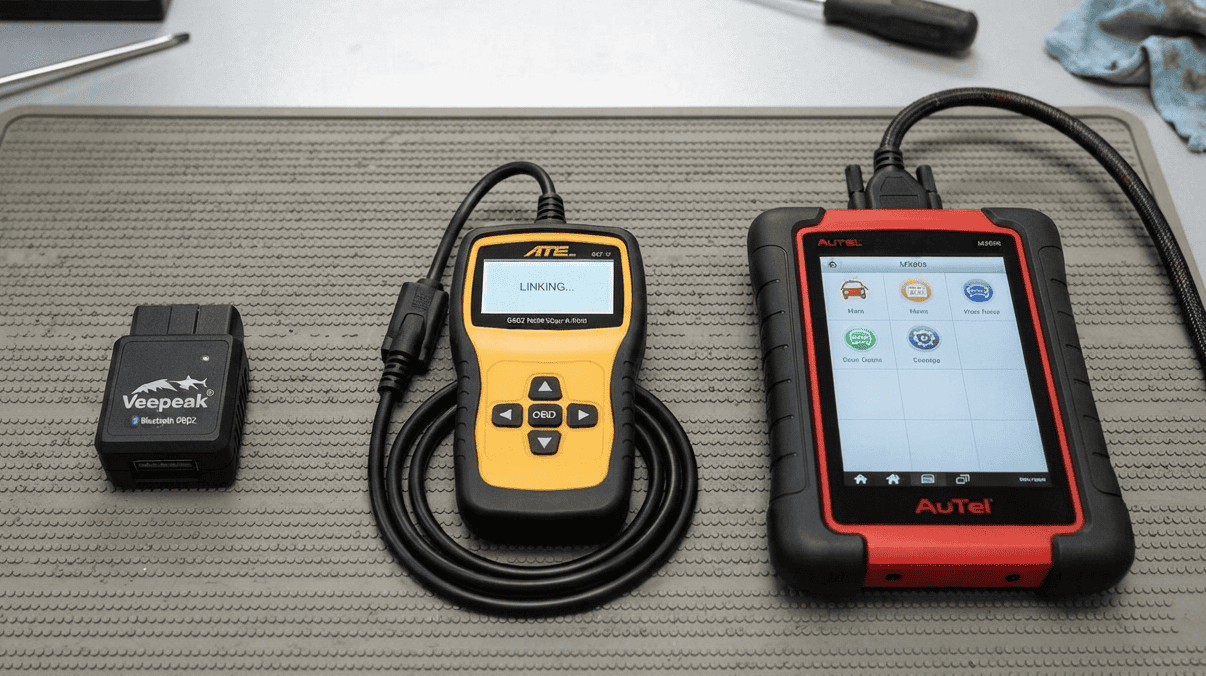
A Bluetooth OBD2 adapter and a handheld scanner read the same codes. The real difference is workflow. Here’s how to pick the one you’ll actually use.
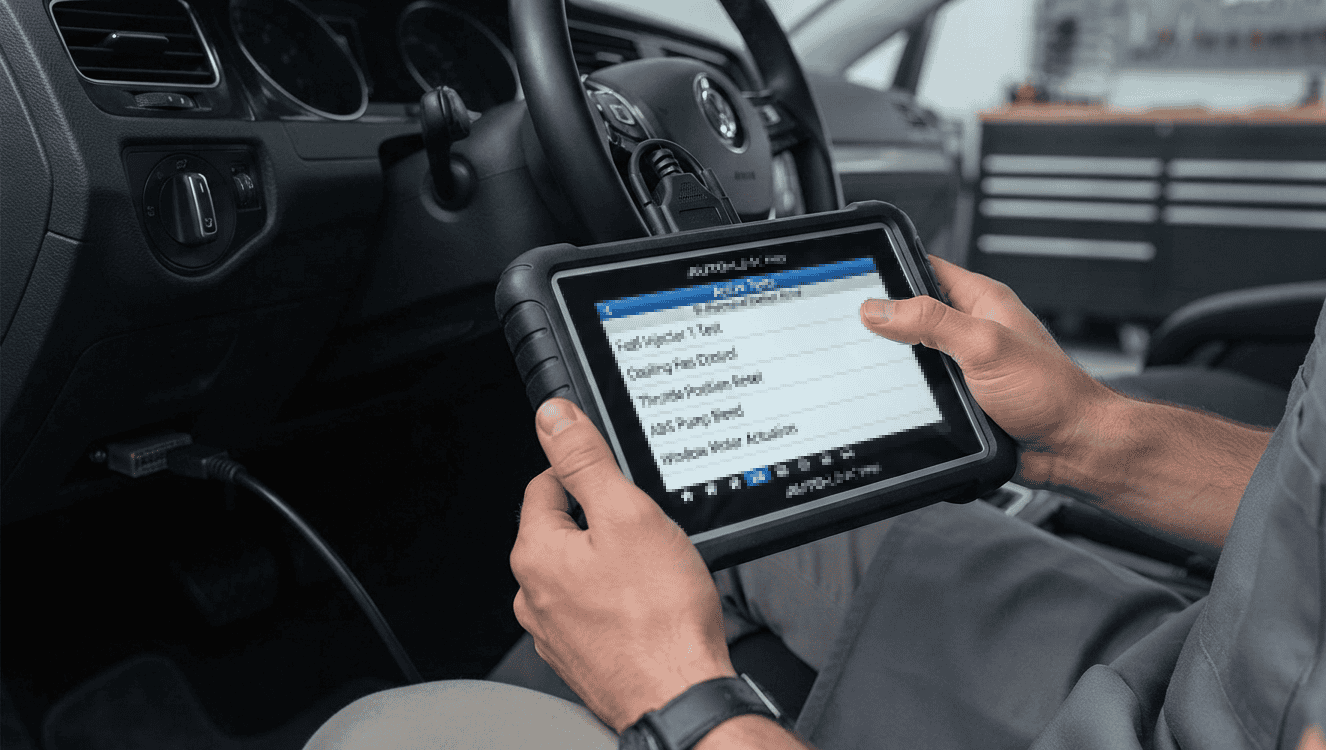
A bi-directional scan tool commands your car, not just reads codes. Here is what active tests do, who needs one, and who is fine without one.
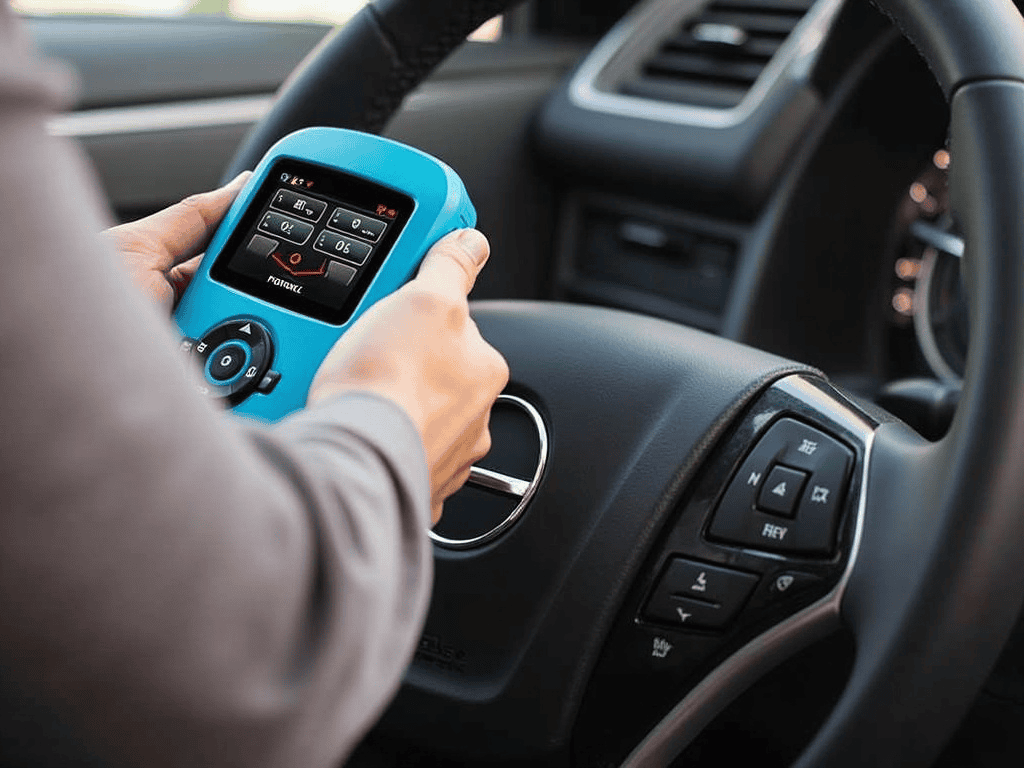
The best beginner OBD2 scanner isn’t the cheapest or the most capable. Here’s how to judge one without owning a shelf of unused features.
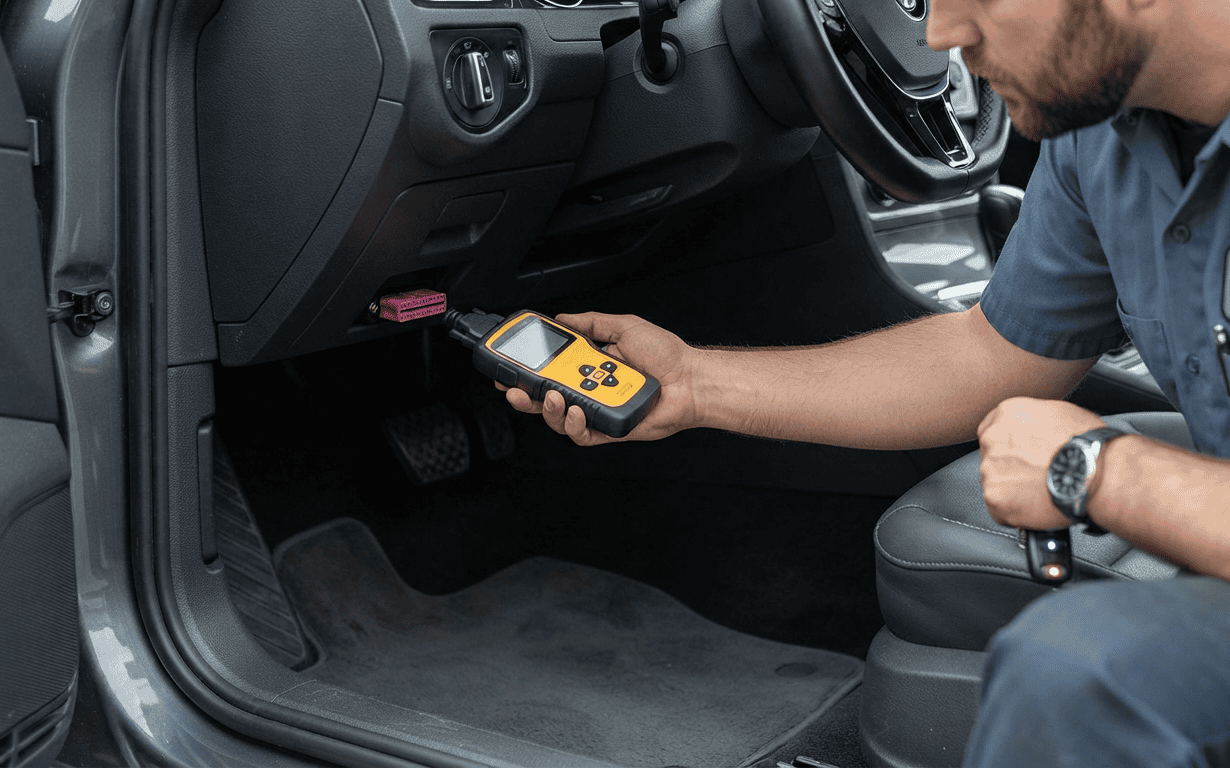
Can’t find your OBD2 port? It’s a 16-pin connector near the steering column on nearly every car built since 1996. Here’s exactly where to look.