
Is My Car OBD2 Compliant? Model Year Rules Explained
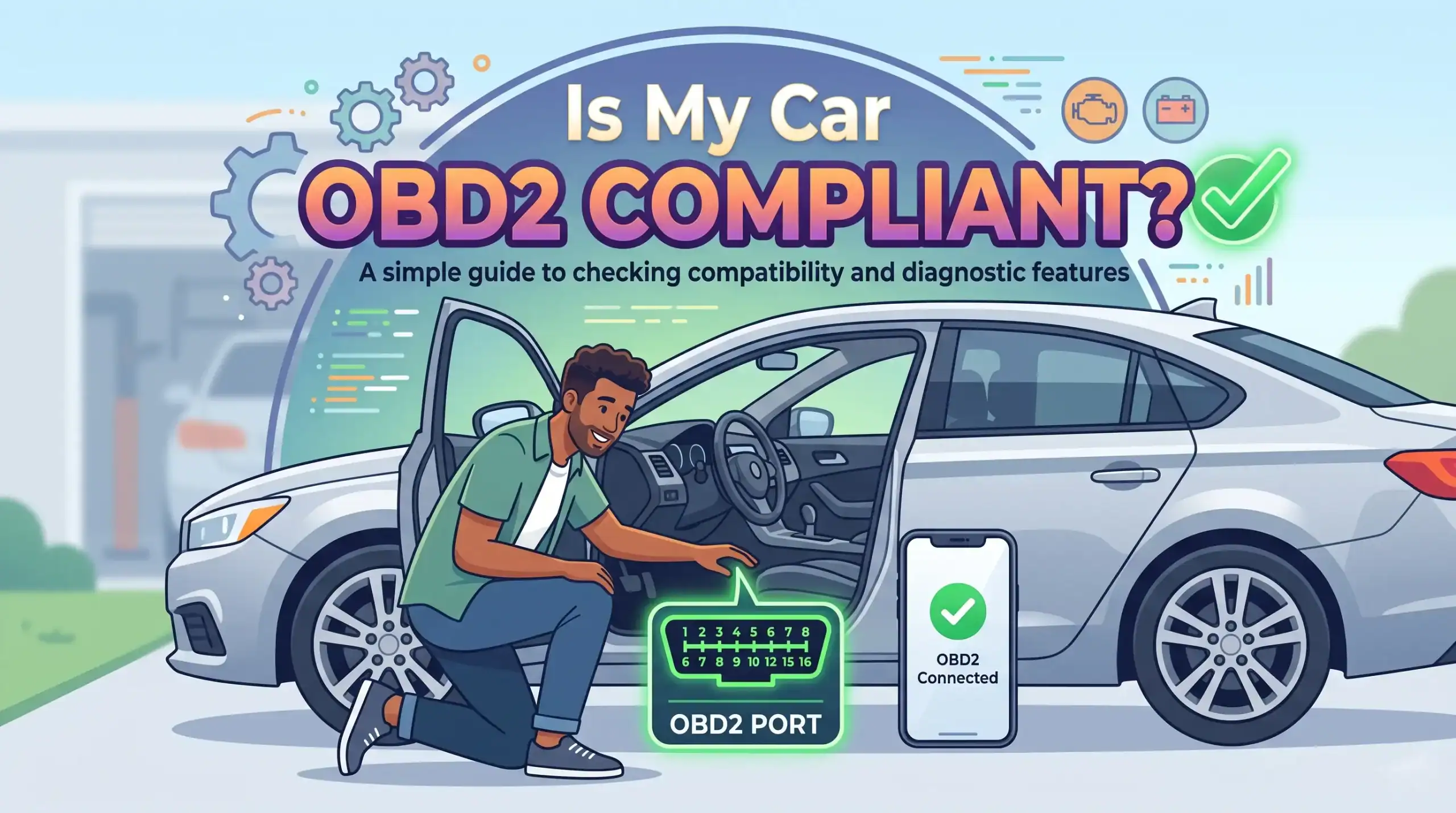
OBD2 compliance depends on your model year and fuel type, not just your car’s age. Here’s exactly which years are covered and how to confirm yours.
OBD2 compliance depends on your model year and fuel type, not just your car’s age. Here’s exactly which years are covered and how to confirm yours.
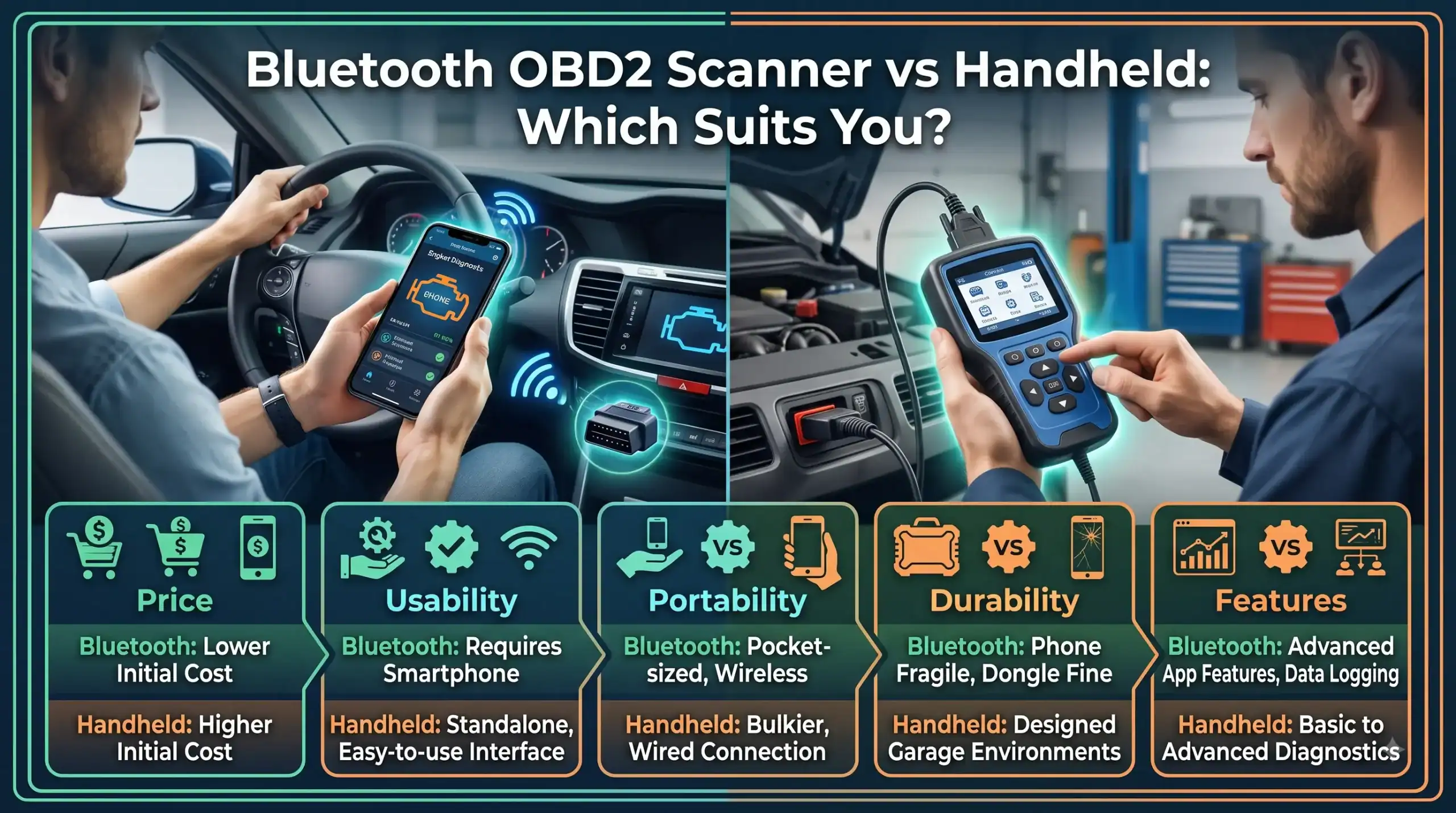
A Bluetooth OBD2 adapter and a handheld scanner read the same codes. The real difference is workflow. Here’s how to pick the one you’ll actually use.
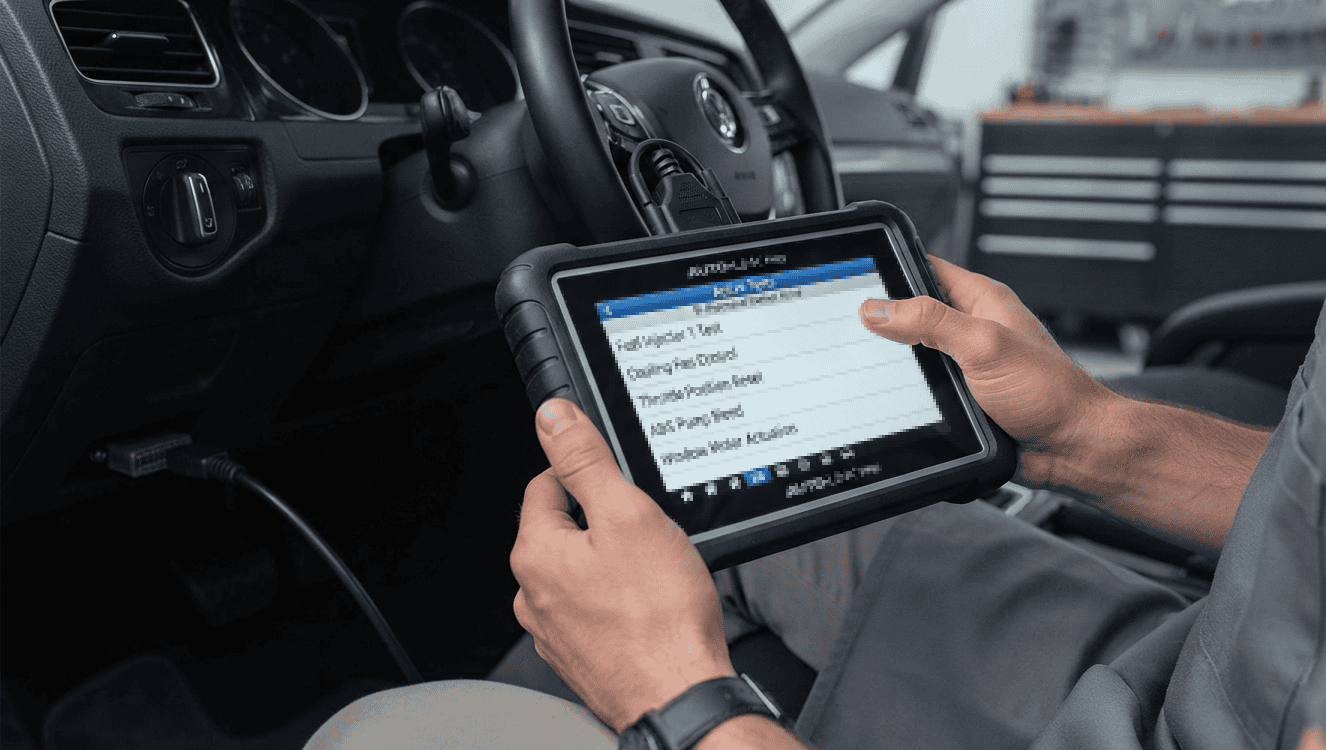
A bi-directional scan tool commands your car, not just reads codes. Here is what active tests do, who needs one, and who is fine without one.
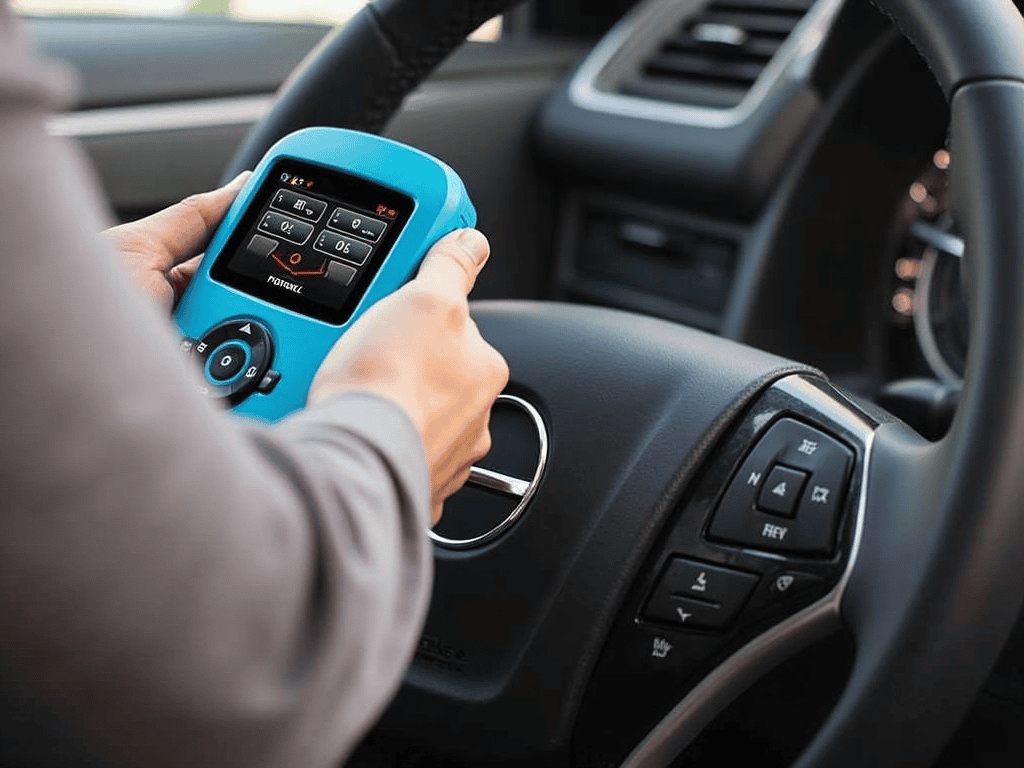
The best beginner OBD2 scanner isn’t the cheapest or the most capable. Here’s how to judge one without owning a shelf of unused features.
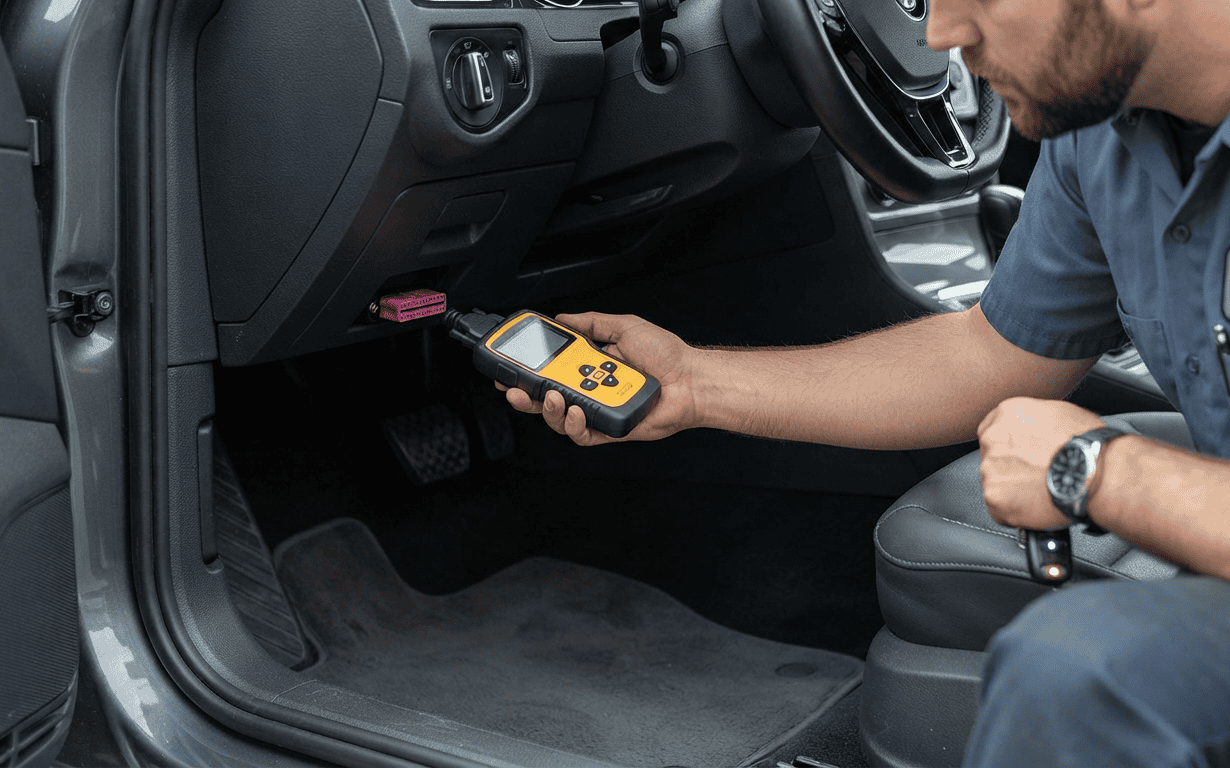
Can’t find your OBD2 port? It’s a 16-pin connector near the steering column on nearly every car built since 1996. Here’s exactly where to look.
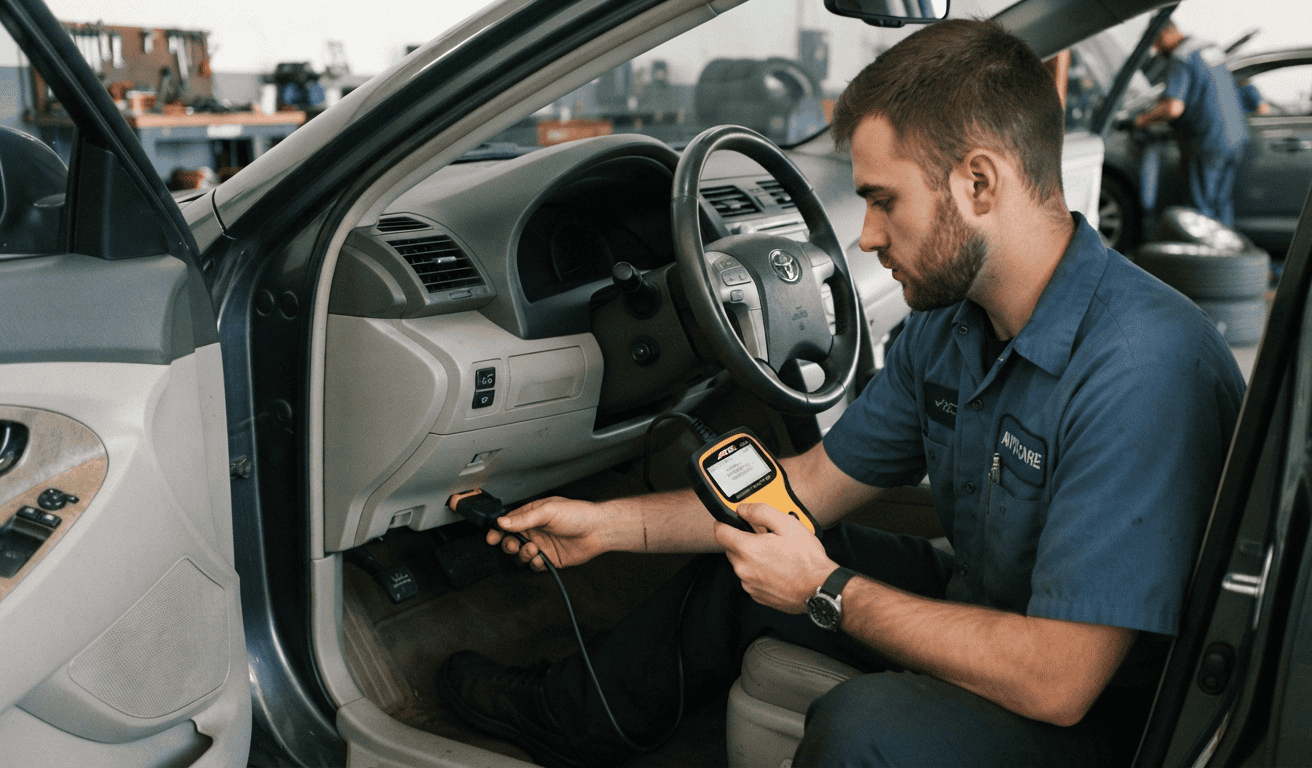
Learn how to use an OBD2 scanner: find the port, read trouble codes, decode the P0xxx format, and why clearing a code never fixes the problem.
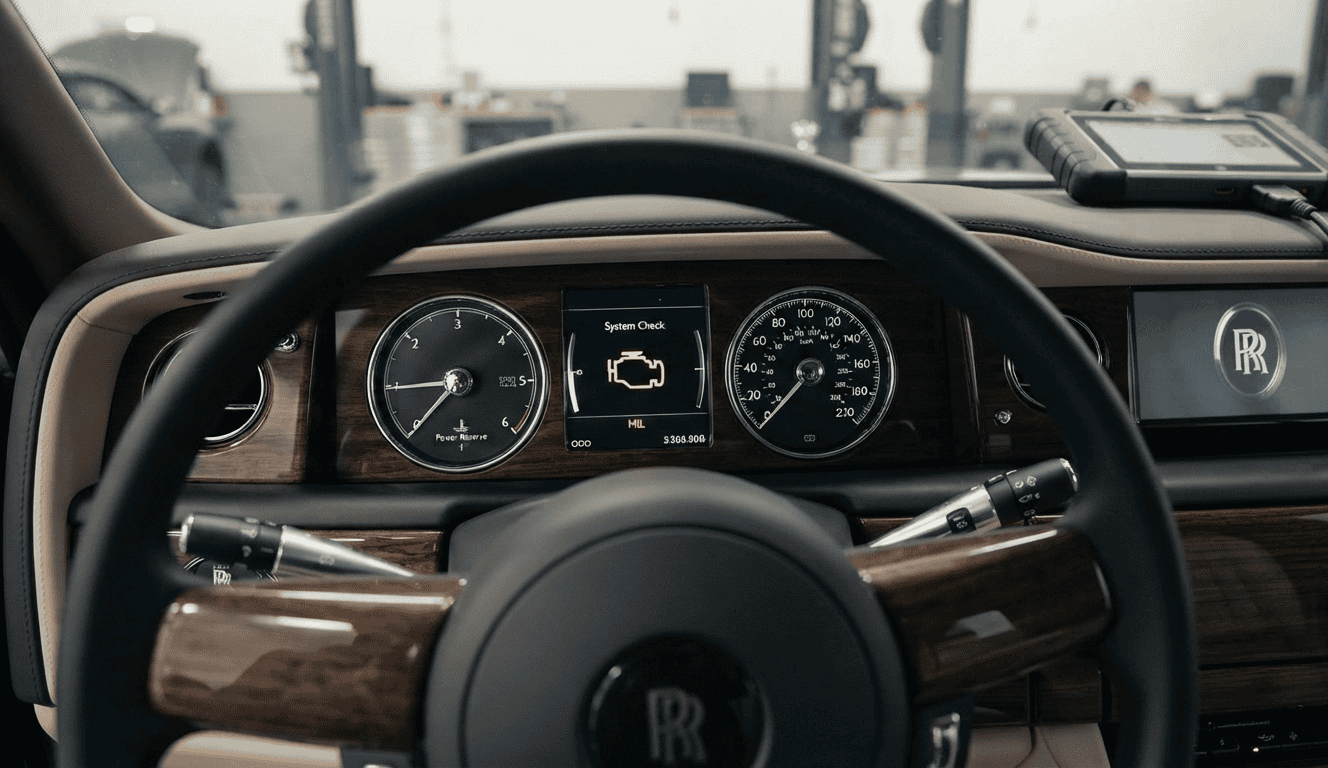
A steady check engine light on a car that drives normally usually isn’t an emergency, but scan the code to be sure. A flashing light means stop now.
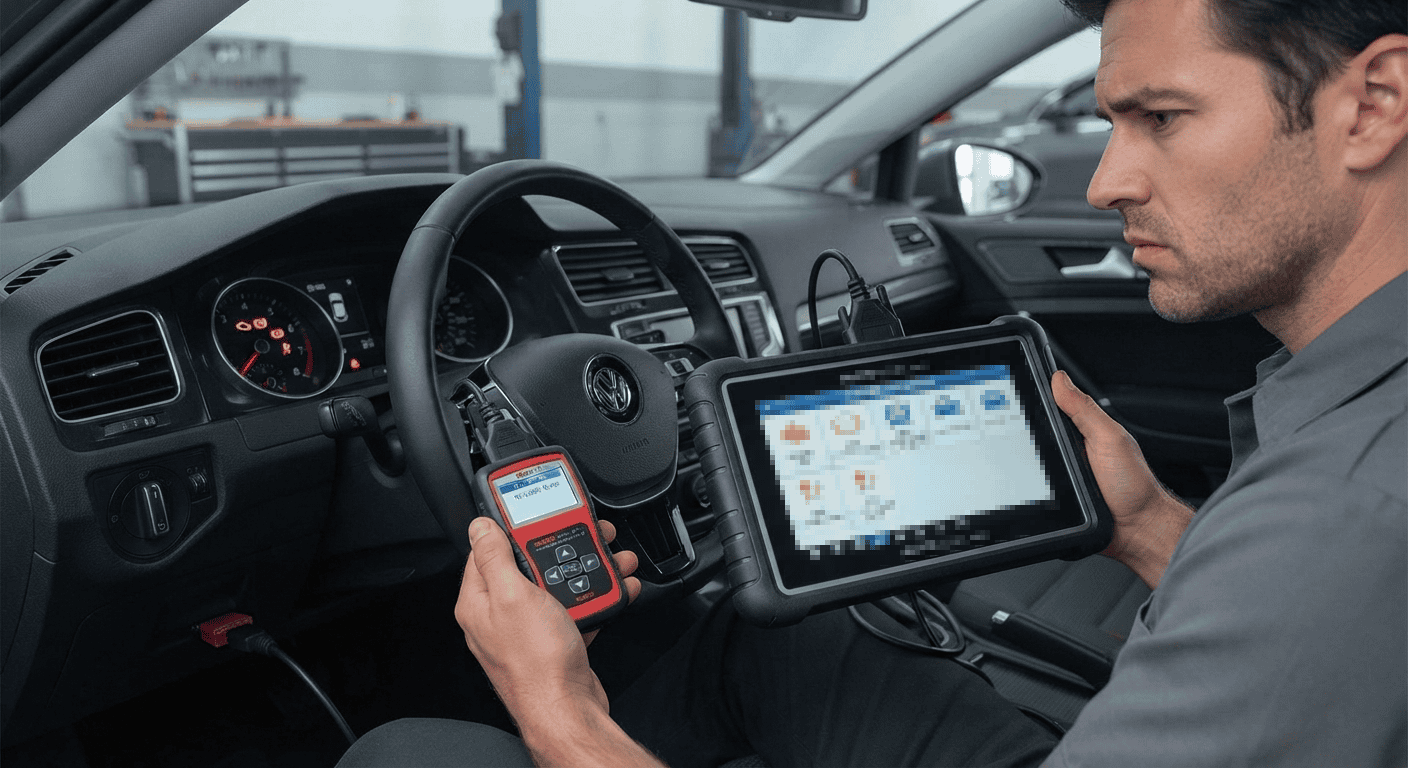
Warning light on, reader says no codes found. That is not an all-clear. OBD2 only guarantees powertrain data, and ABS and airbags sit outside it.

Bigger vehicle, four different problems: system voltage, cable distance, a rear window that may not exist, and a parked vehicle someone might be sleeping in.

Five substitutions turn up again and again in dash cam listings. Learn them and you can compare two products honestly instead of comparing their marketing.